Road journal
You cover Romania by car
A week does not show you a country. It shows you a distance. From the Palace of the Parliament to the mouths of the Danube it is about 250 kilometres in a straight line, and almost a full day if you do it properly, with stops. Between them sit the Carpathians, Saxon citadels, a motorway that keeps getting longer, and roads where the GPS goes quiet. Romania makes sense from the cabin. Castles, mountains, the delta, the sea. All of them belong to the same steering wheel.
Bucharest, before you climb to the mountains
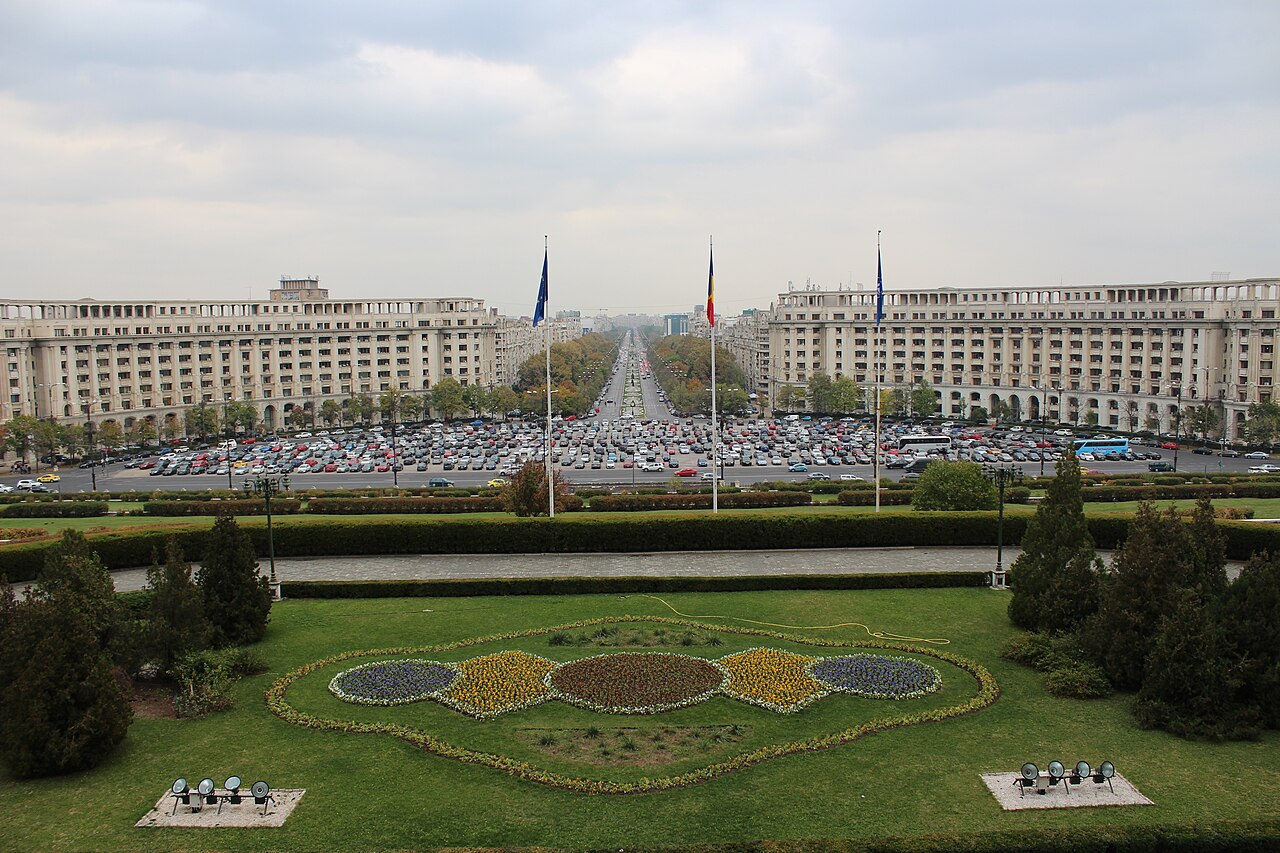
The Palace of the Parliament is hard to love and impossible to ignore. The guide says, before you can ask, that it is the second-largest administrative building in the world after the Pentagon. From the terrace, Bulevardul Unirii cuts the city like a line drawn with a ruler, parking lots and blocks of the same height running on and on.
The Old Town is another register. Lipscani, Hanul lui Manuc, a coffee in the shade if you find a seat. Calea Victoriei holds it together, from Revolution Square to Victory Square, with the Athenaeum on one side. At night Bucharest is loud. In the morning, if you leave for the mountains before eight, you get out of it.
Sinaia and Peleș Castle
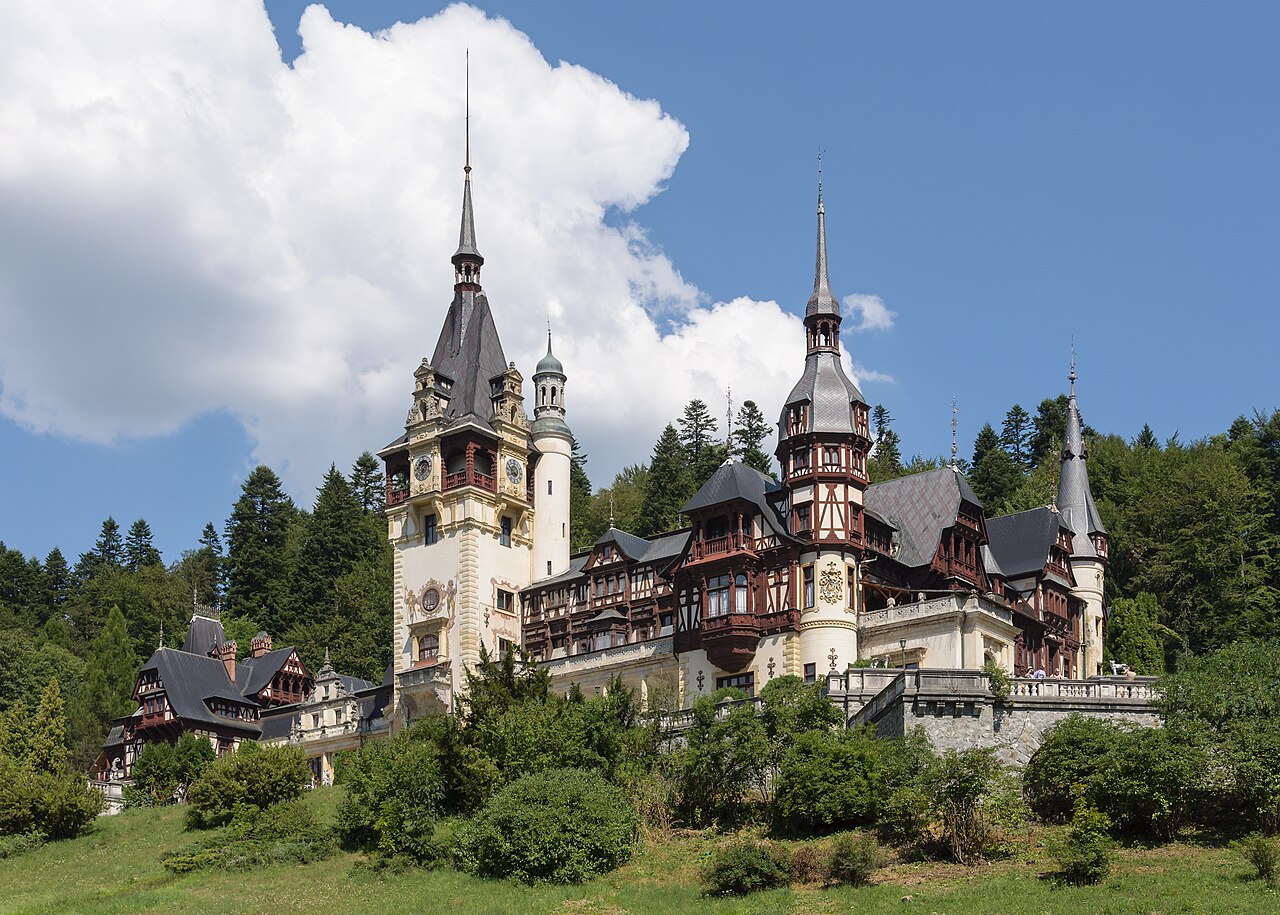
Bucharest to Sinaia is 125 kilometres on DN1. At the weekend, budget three hours. Peleș sits above the town like a German villa that grew too far. Carol I wanted a summer residence. He got a palace with 160 rooms, carved wood, weapons on the walls, and a terrace that looks at the Bucegi.
The interior is denser than the façade. Do not go in if you only have twenty minutes. Walk down to the casino and the monastery. In winter the queue is shorter.
Brașov, Bran, Râșnov
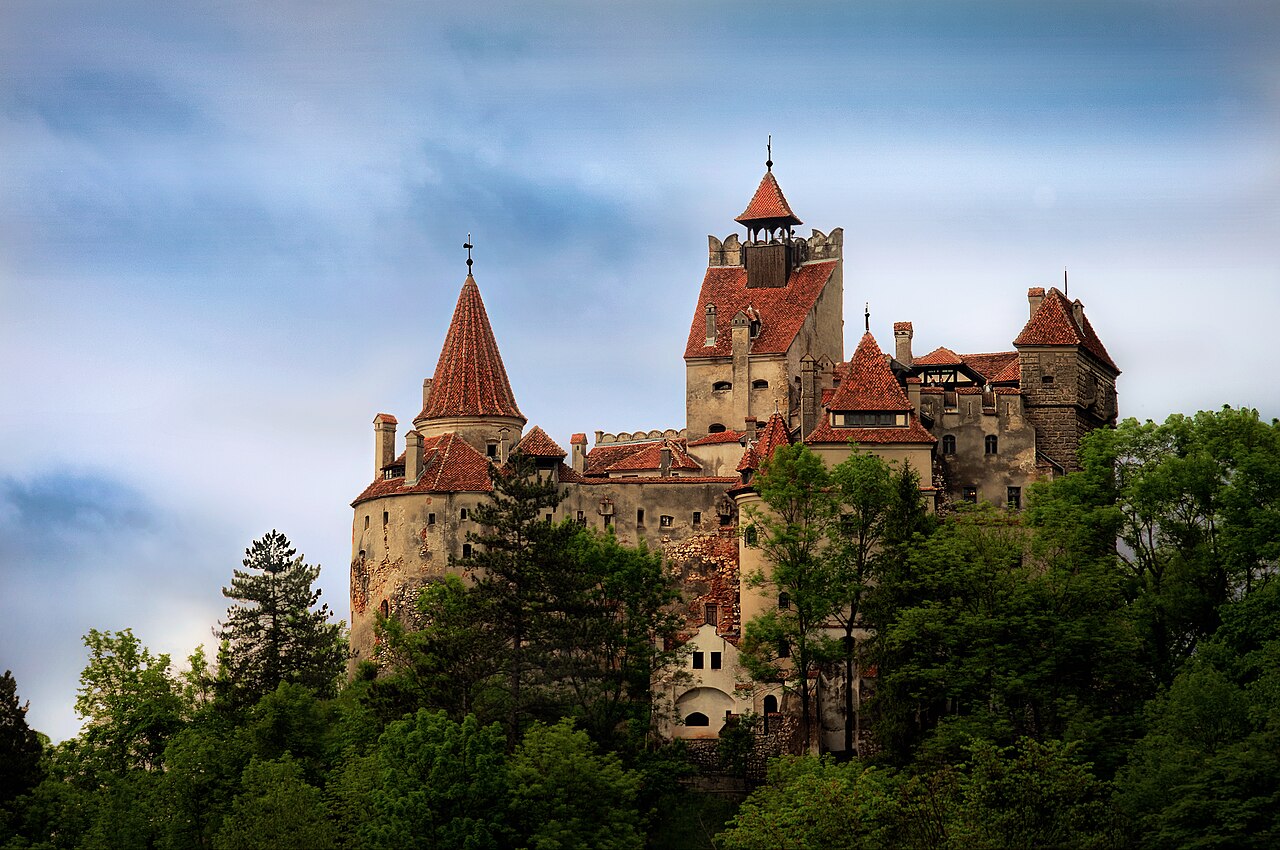
Brașov is 50 kilometres from Sinaia, still on DN1. Piața Sfatului is the square you already know from photographs. The Black Church stands next to it, tall and smoked by old fires. From there Bran is 30 kilometres. The castle is smaller than the film makes it. Worth it if you are passing. Not worth a day-long detour on its own.
Râșnov sits on a hill between the two. The citadel is a walk, not a museum. From the walls you see Tâmpa and, on a clear day, Piatra Craiului.
Sibiu and Sighișoara
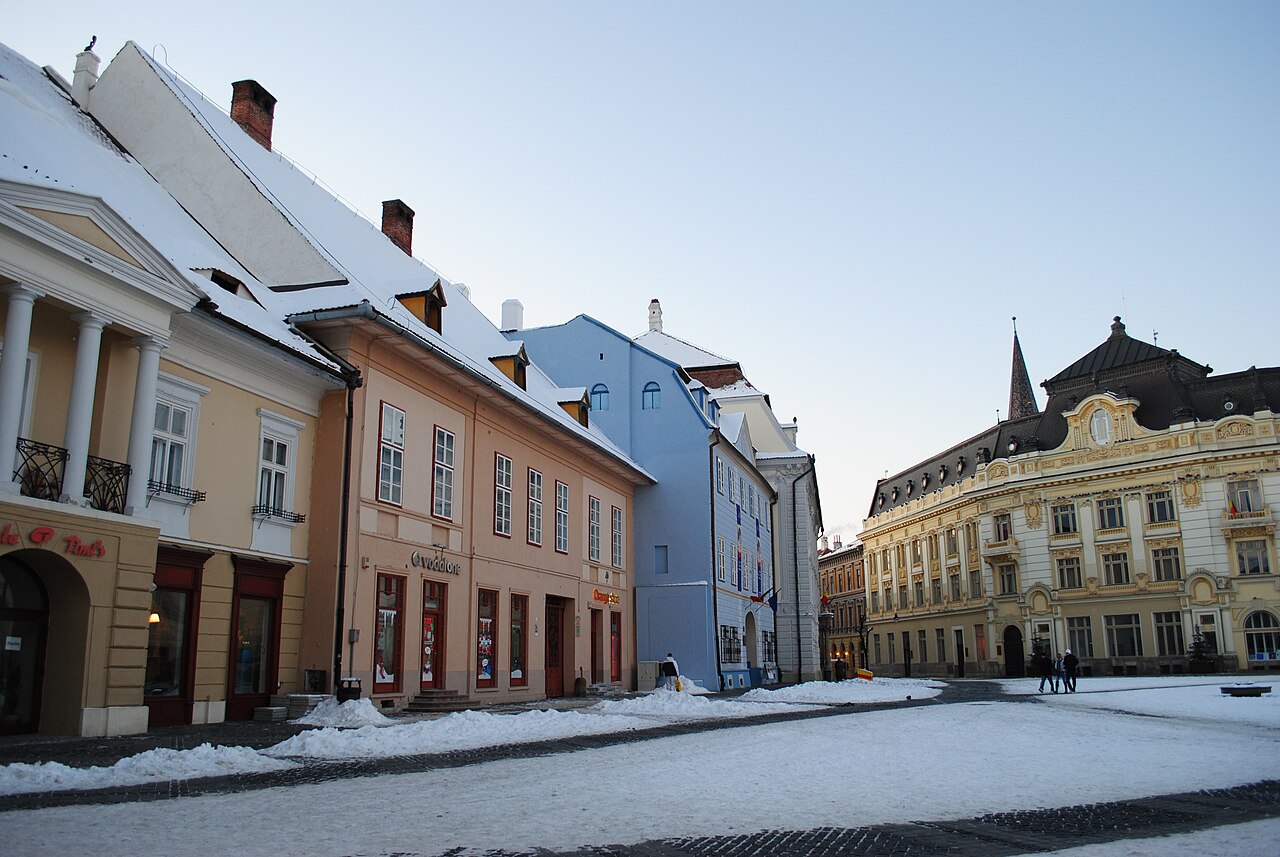
Sibiu is another pace. Houses with eyes in the roof, the Large Square, the Small Square, the Bridge of Lies. It was a European Capital of Culture in 2007 and you still feel it, in the restaurants inside the walls and in the fact that you can walk a whole day without getting bored. In winter the square is empty and the roofs hold the snow.
Sibiu to Sighișoara is 90 kilometres through Mediaș, on DN14. Sighișoara is the lived-in citadel. The Clock Tower, the covered stair, the house where Vlad Dracul was born. Summer is packed. In March you almost have the streets. Sleep inside the walls if you can. In the morning, before the groups, the town is different.
The Transfăgărășan, and a note on the Transalpina
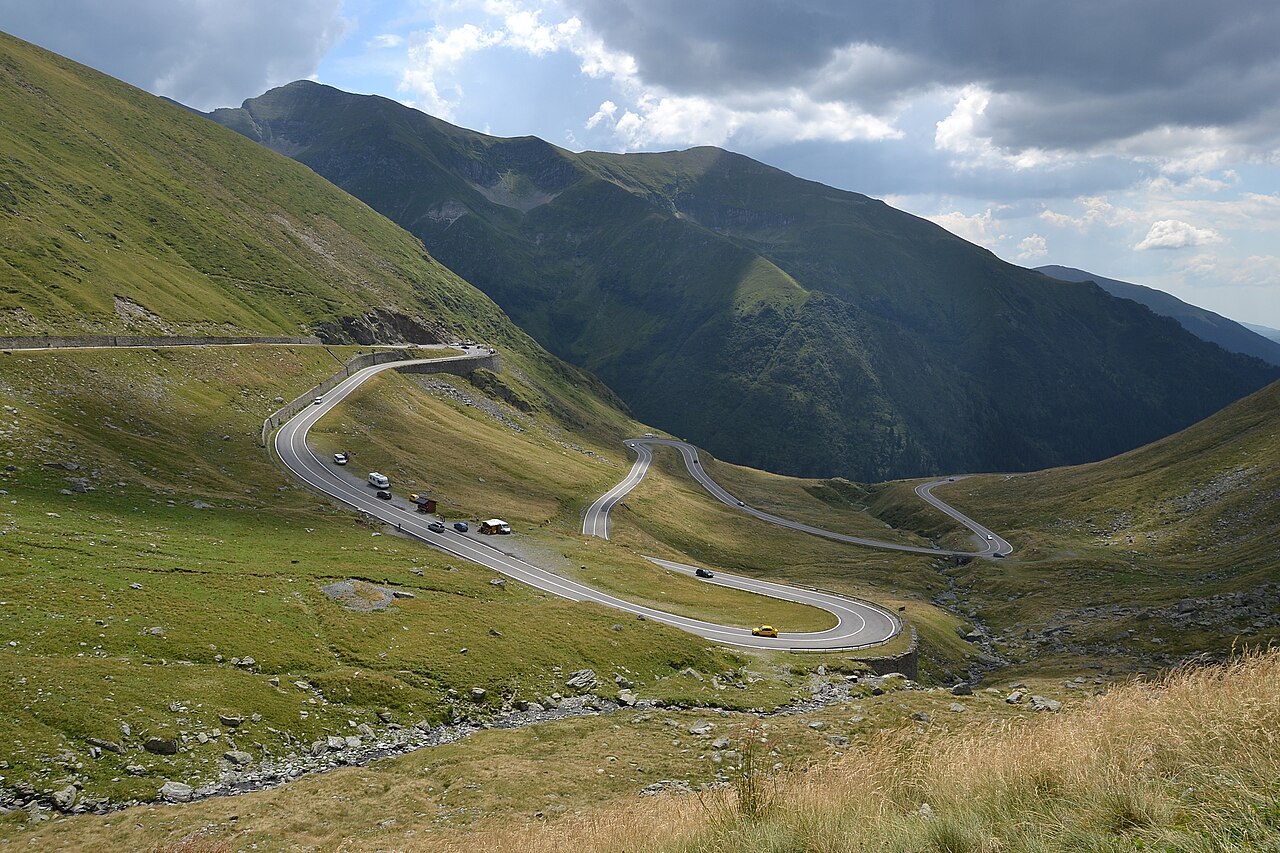
DN7C usually opens from late June into October, depending on snow. From Curtea de Argeș you climb past the Vidraru dam, then the hairpins begin in earnest. Bâlea Lac is the ceiling, 2042 metres. The car park is a mess in August. If you can, go through in the morning. The descent toward Cârțișoara, in Sibiu county, is the part you keep.
The Transalpina, DN67C, is the sister on the Parâng. Higher, less filmed. If you have two mountain days, do both. If you have one, take the Transfăgărășan and do not rush it.
The monasteries of Bucovina
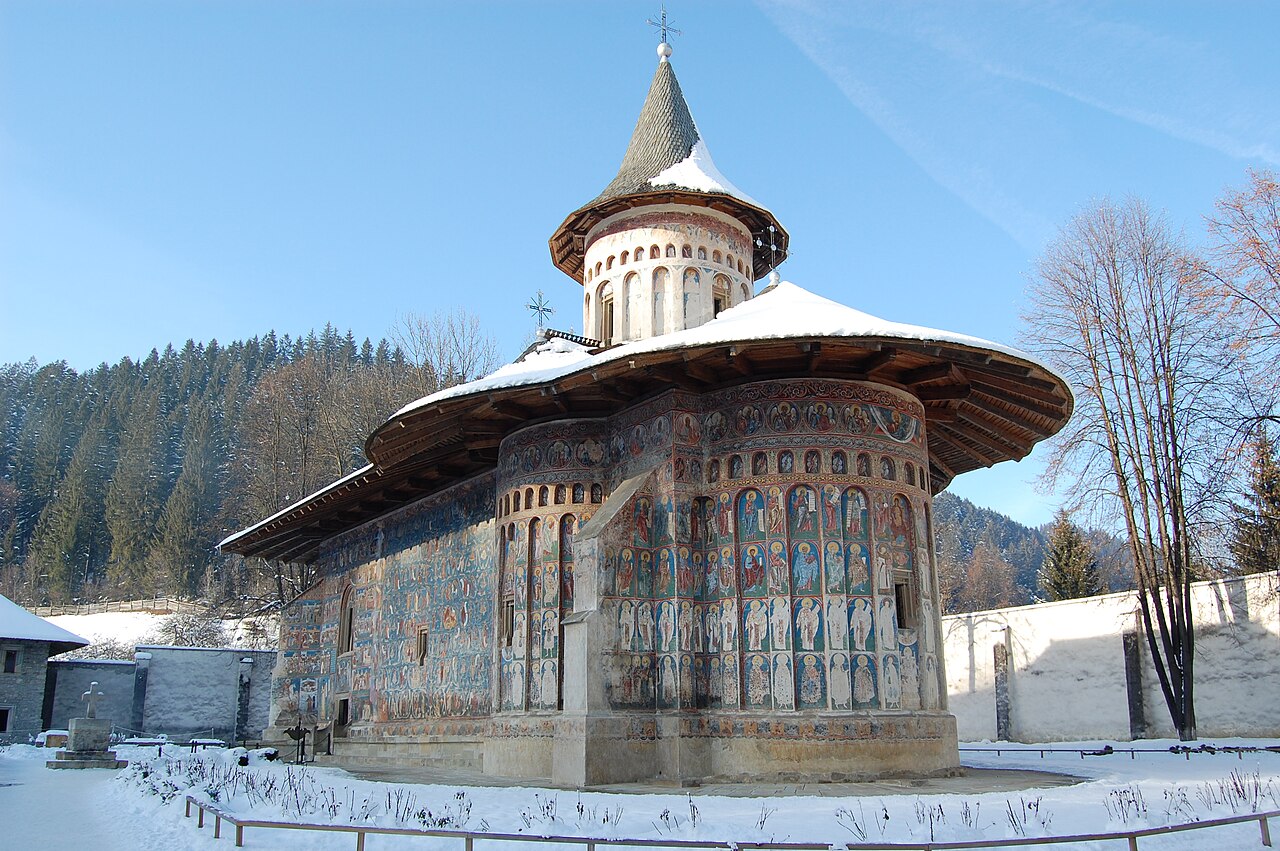
Brașov to the Bucovina monasteries is about 300 kilometres, through Târgu Neamț or through Bistrița, depending on how you cut it. Voroneț, Humor, Moldovița, Sucevița. The exterior frescoes belong to the 16th century. Voroneț blue is a colour, not a slogan.
You can go from one to the next in a single day if you want. Tens of kilometres, not hundreds. Gura Humorului is a good base. In October the forest is rust-coloured and the coach parties are thinner. In winter the roof holds the snow and the courtyard is quiet.
Maramureș, in wood
Further north, Maramureș is wood. Churches with sharp towers, some of them on the UNESCO list. Săpânța, with the merry cemetery where the stones speak plainly about the people under them. From Suceava to Sighetu Marmației you cut through the valley. The road is slow. That is the point.
In Săpânța you stay an hour. In Bârsana the new monastery is tall and disputed. The old wooden houses are worth more than the new church, if you ask someone from there.
Turda salt mine and Cluj
Cluj is a university city, dense, with a central square where you sit in the evening with no plan. Thirty kilometres away, Salina Turda is a mine turned into an underground hall. A lift, boats on the lake inside, an amphitheatre cut in salt. It is cold down there, about 11 degrees all year.
It is not a short detour. It takes half a day. If you come from Sibiu you catch it on the A3, when that stretch is open. If not, DN1 through Turda is old and familiar.
The Danube Delta, where the asphalt ends
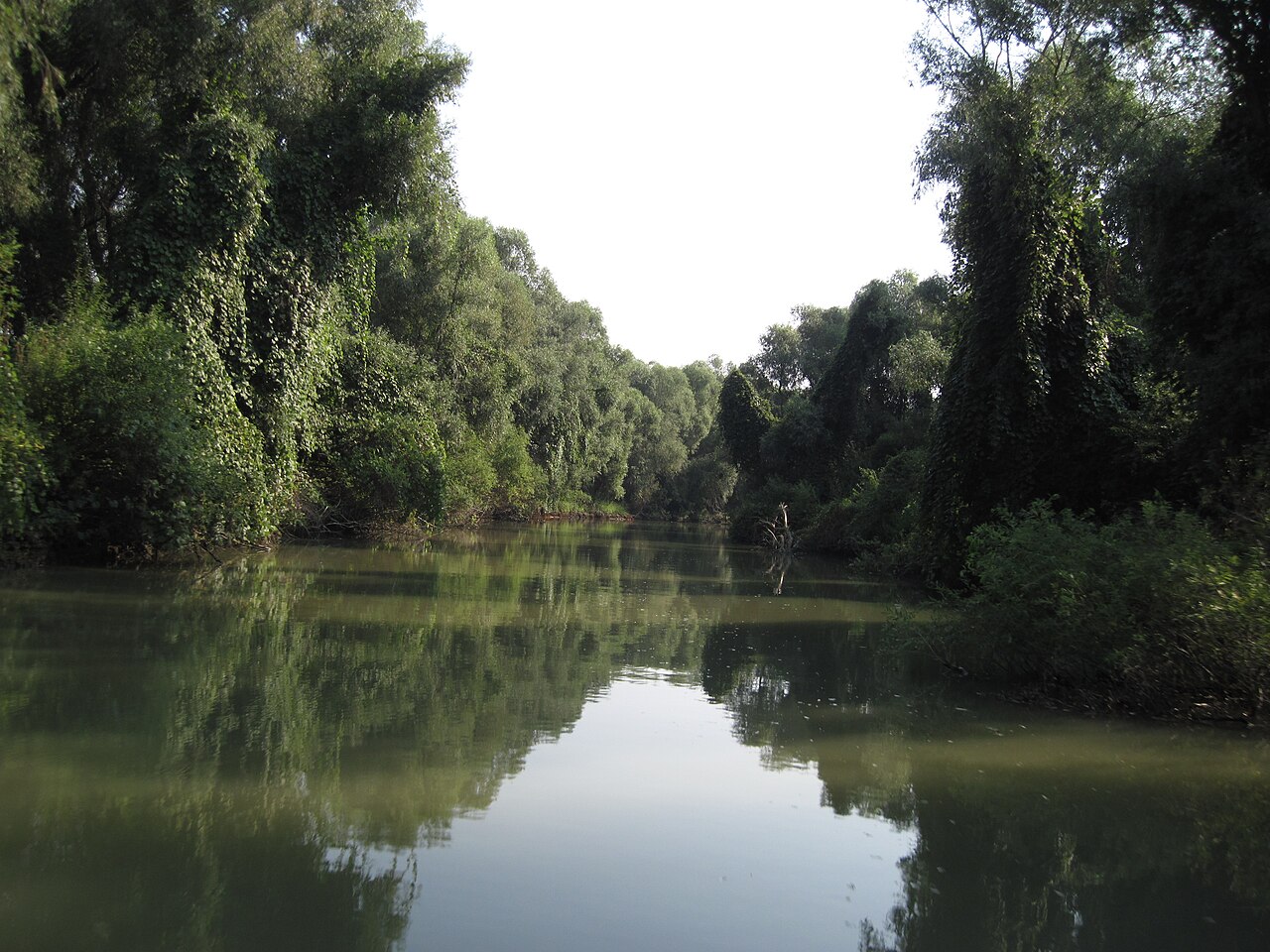
The Delta starts in Tulcea. From there, the boat. Not the car. Canals, reeds, pelicans if you are lucky and the guide stays quiet. Crișan, Mila 23, Sfântu Gheorghe. Sleep down in the delta, not in Tulcea, or you only see the port.
The good season is May to September. The mosquitoes are part of the ticket. Bucharest to Tulcea is almost 280 kilometres. From Constanța, less. The water is green and slow. That is what you came for.
Constanța and the Black Sea
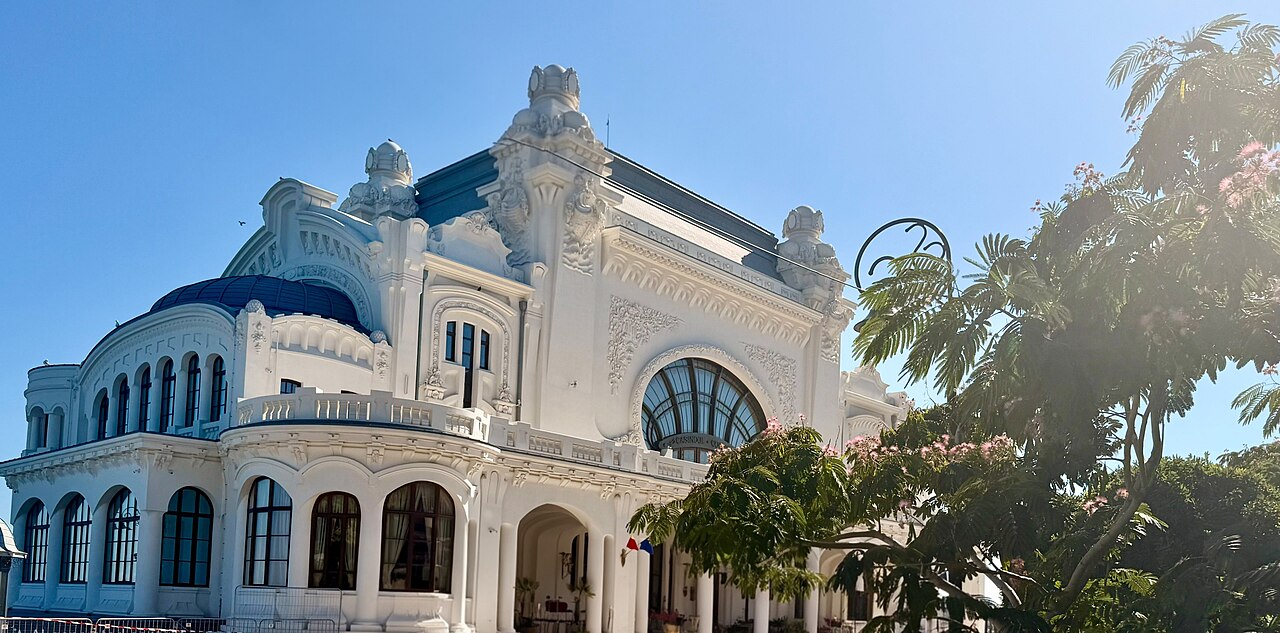
Constanța is a port. The casino on the promenade is heavy art nouveau, with a dome and a large round window. It stood in scaffolding for years. The façade is white again, the sea right behind it. Ovid has a statue in Piața Ovidiu. The history museum is better than you expect.
South, Vama Veche and 2 Mai are another tempo. North, Mamaia is a long beach and concrete. If you come from the Delta, you pass Constanța and close the loop at the sea. The water is warm in July. In September there are fewer people and the resort is easier to bear.
An eight-day loop, with room for ten
Bucharest for a night. Sinaia and Peleș the next day, night in Brașov. Bran and Râșnov in the morning, then Sighișoara. Sibiu. The Transfăgărășan in a full day, if it is open, and you drop back toward Argeș or stay in Sibiu. From there, either Bucovina and Maramureș, or Cluj and Turda. You close at Tulcea, two nights in the Delta, then Constanța and the return.
Ten days leaves room not to drive every morning. Seven compresses it. The plate is the same. The road is not.